Behind Bessent's Yen Intervention: Two Signals That U.S. Mortgage Rates May Have Topped
There's one news story that almost everyone is underestimating: U.S. Treasury Secretary Bessent personally stepped in to intervene in the yen.
The bottom line: this likely means U.S. mortgage rates have already topped.

A story that seems to have nothing to do with U.S. real estate turns out to be a badly overlooked signal.
Today's discussion breaks into three parts:
- Why the yen exchange rate affects mortgage rates
- Historical evidence that a Treasury Secretary can influence mortgage rates
- Two signals that U.S. mortgage rates have topped
I. Why is the U.S. intervening in the yen?
Let's start with why the U.S. is intervening in the yen, and how the yen exchange rate relates to Treasuries and U.S. mortgages.
In late July 2026, the yen fell to nearly 164 per dollar — its weakest level in decades. The Bank of Japan couldn't sit still and began buying yen on a large scale.
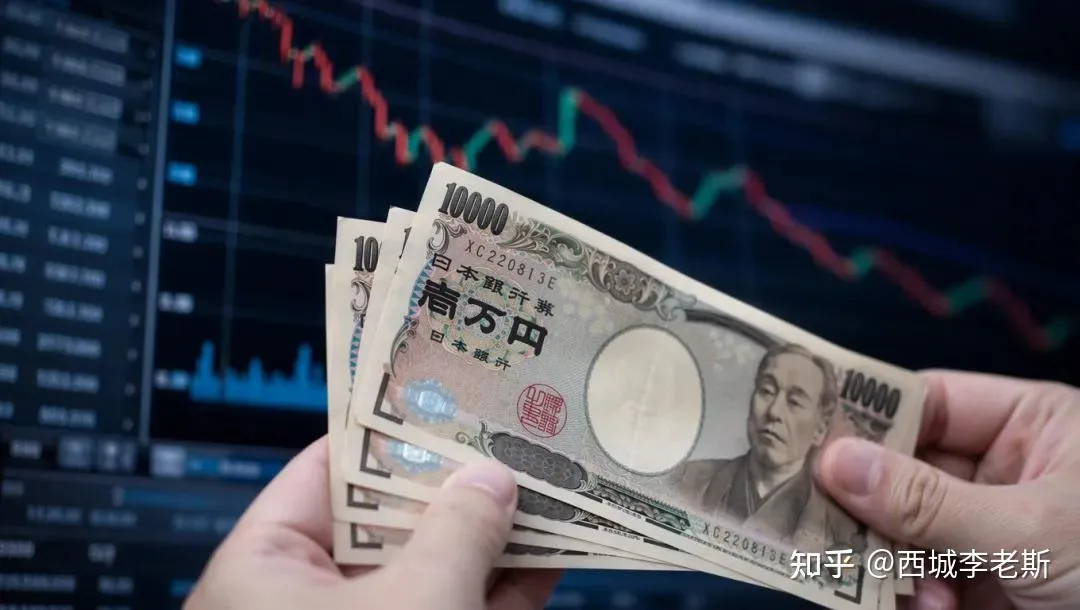
That alone isn't unusual — the BoJ has intervened multiple times over the past few years.
What's unusual is U.S. Treasury Secretary Bessent personally getting involved. First, Bessent had the New York Fed notify several large Wall Street banks to be ready for a U.S. yen intervention. Then a Reuters photographer at Camp David captured Bessent's handwritten note reading: "Buy yen, $5–10 billion."
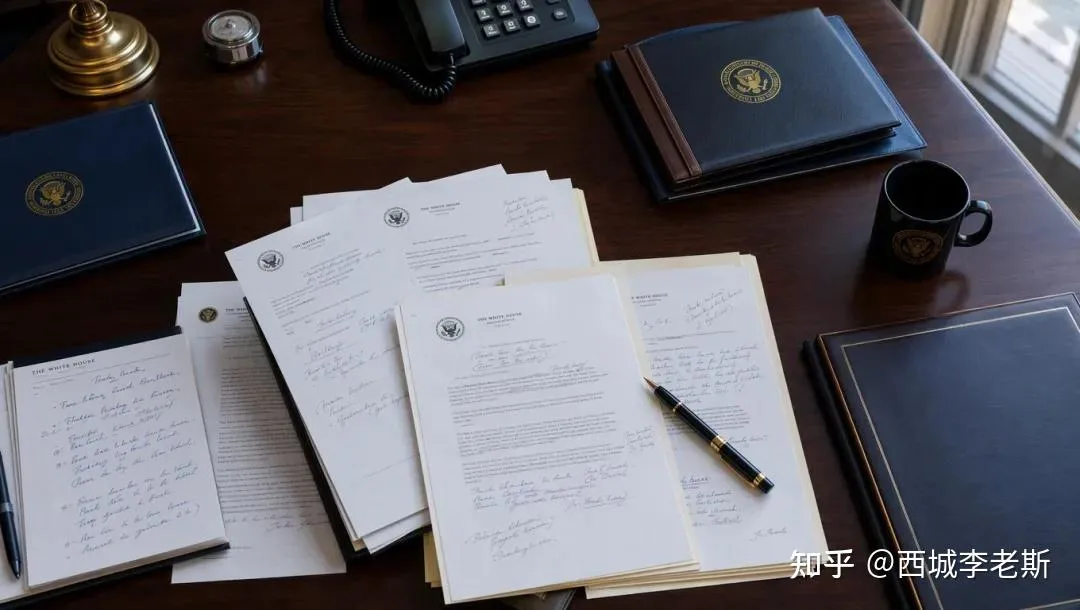
To be clear: this isn't the Federal Reserve adjusting U.S. monetary policy. It's the U.S. Treasury executing a foreign-exchange operation through the New York Fed — intervention from outside the Fed.
The U.S. then actually entered the market and, very unusually, coordinated with Japan. The yen rallied from near 164 to around 155 in short order.
Bessent made another big move right after. He began pushing to expand the Foreign and International Monetary Authorities Repo Facility, known by its acronym FIMA.
What does that mean?
Suppose the Bank of Japan holds $10 billion of U.S. Treasuries and needs $10 billion in cash to buy yen and rescue the exchange rate.
The most direct way is to sell $10 billion of Treasuries.
But FIMA gives Japan another path: don't sell the Treasuries — pledge that $10 billion in Treasuries to the Fed as collateral, and the Fed lends you the dollars. Use those dollars to buy yen. Once the exchange-rate crisis passes, return the money.
The chain reaction from a yen collapse
Let me walk through the logic.
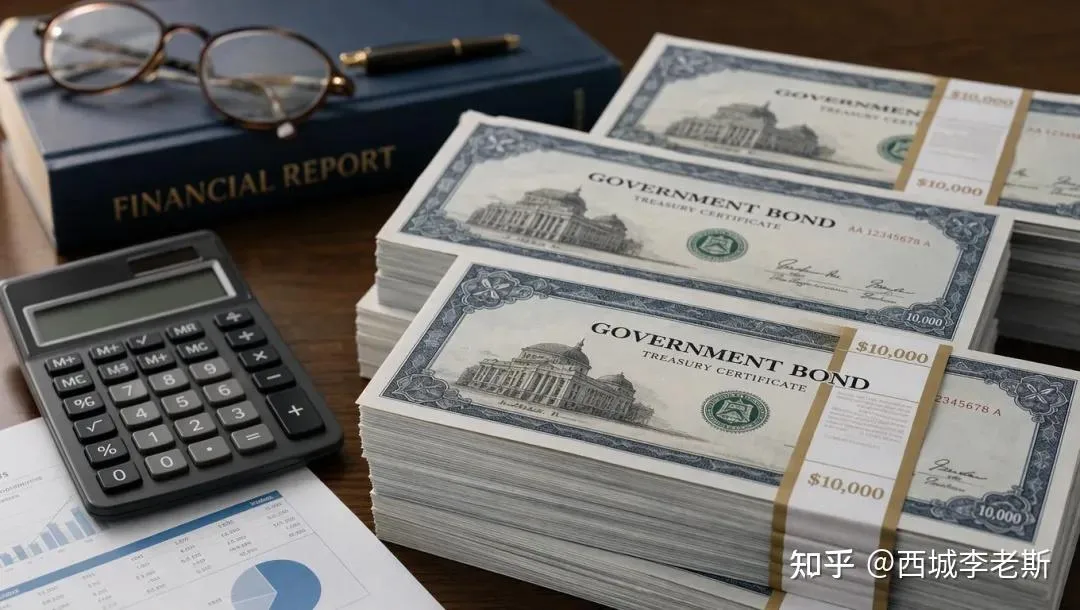
Japan holds more than $1 trillion of U.S. Treasuries — the largest foreign holder in the world.
If the yen keeps collapsing, Japan would have to rescue the currency, and a chain reaction would kick in:
- The yen collapses; Japan needs to sell dollars and buy yen to defend the rate.
- That requires Japan to come up with a lot of dollars.
- Where do the dollars come from? From selling Japanese-held Treasuries.
- Treasury supply rises.
- 10-year Treasury prices fall.
- Treasury yields rise.
- U.S. mortgage rates rise.

Afterward, Bessent admitted in an interview that the most important goal of the yen intervention was to suppress U.S. long-term Treasury yields.
And U.S. long-end yields — especially the 10-year — are directly tied to U.S. mortgage rates.
A counterintuitive point: the Fed controls short-end rates, which have essentially no correlation with mortgage rates. So next time someone tells you "the Fed is cutting rates, so mortgages will fall," you can smile knowingly and quietly pity them.

Coming back to the news: Bessent's intervention in the yen is aimed at stabilizing Treasury supply pressure, then stabilizing long-end yields, and ultimately bringing down mortgage rates for Americans.
II. Yellen did the same thing in 2023 — and it worked
Now let's look at how Yellen did the same thing in 2023 and succeeded.
The Treasury isn't the Fed and can't set monetary policy, but it has one powerful lever: it decides how much debt to issue and what mix of long and short. The Treasury Secretary in office in 2023 used exactly that lever.

At the time, the Treasury began increasing long-term issuance — especially 10-, 20-, and 30-year bonds.
The market suddenly hit a hard question:
Who's going to buy all this long-term debt the U.S. government is going to issue?
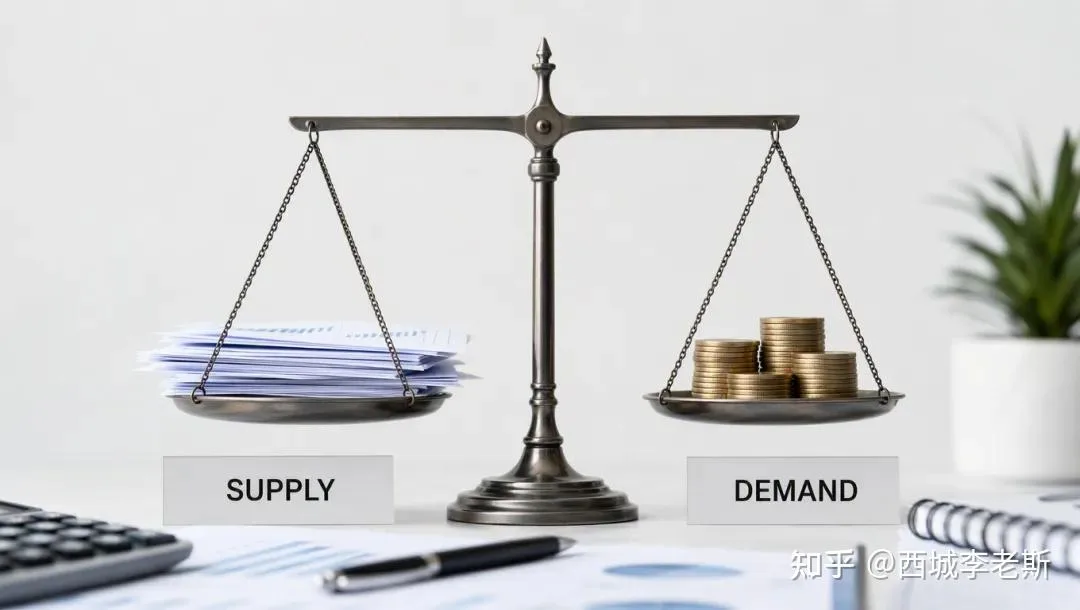
Any asset is supply and demand.
If Treasury supply keeps growing without a matching rise in buyers, bond prices fall.
Lower bond prices mean higher yields.
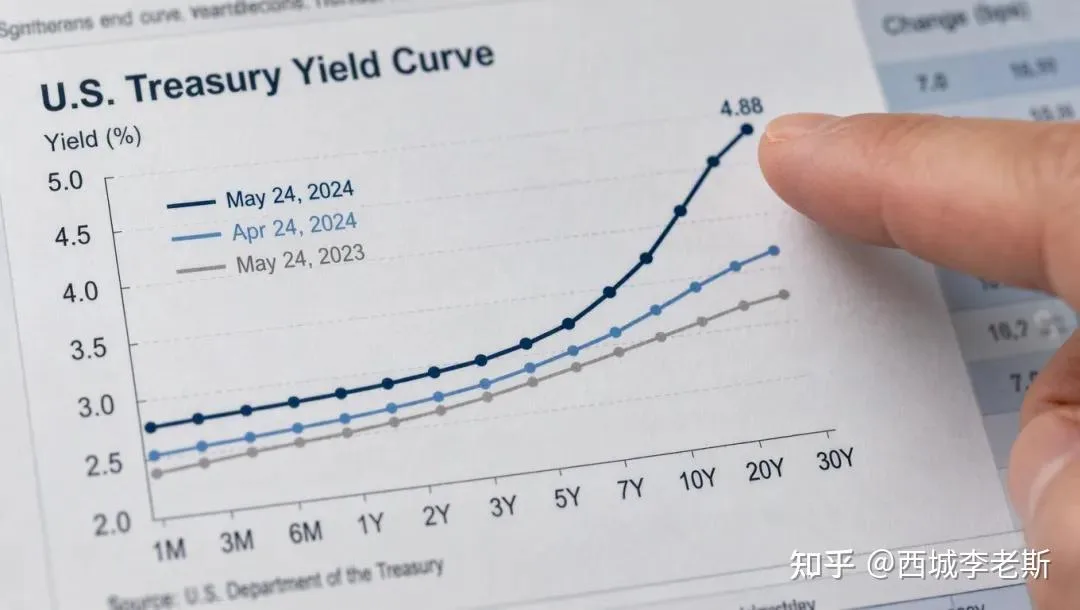
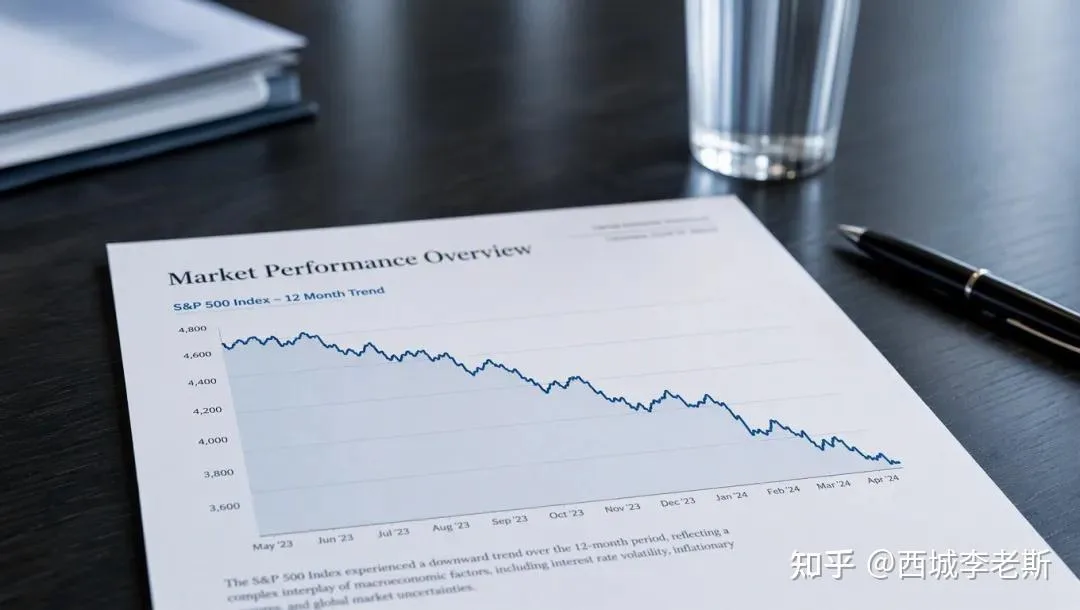
The result: in the second half of 2023, the 10-year Treasury yield climbed to around 5%.
What is Term Premium?
There's another key financial concept here: Term Premium.
Back when you asked investors to lend to the U.S. government for 10 years at 4% interest, they were happy to do it.
But U.S. government debt is now much larger, fiscal deficits are widening, and the inflation outlook 10 years out is unclear.
So the message is: if you want me to lock up my money for 10 years, you have to pay me more.
That extra compensation for long-term uncertainty is the term premium.

Yellen's key adjustment
Then in November 2023, something Wall Street would later pay close attention to happened:
The Treasury under Yellen adjusted the pace of issuance.
Long-term debt kept being issued, but the 10-, 20-, and 30-year bonds — the ones the market feared most — were not increased at the pace investors had been worried about.
The market breathed a collective sigh of relief.
The U.S. 10-year Treasury yield then fell from near 5% to about 3.9% by year-end. In just over two months, it dropped more than 110 basis points.
This history proves something most real-estate investors haven't internalized:
U.S. mortgage rates are not set by the Fed Chair. How the Treasury issues debt affects the 10-year yield, and the 10-year yield in turn drives mortgage rates.
So now look at what Bessent is doing today.
On one hand, he isn't rushing to ramp up long-term Treasury supply.
On the other, he's finding ways to protect big holders like Japan so they don't have to dump Treasuries to defend the yen.
- One is controlling supply.
- The other is protecting demand.
Both point to the same thing: the U.S. long-end yield.
III. Two important signals that U.S. mortgage rates have topped
Now let's talk about the two important signals that U.S. mortgage rates have topped.
Signal 1: The U.S. government's behavior is already changing
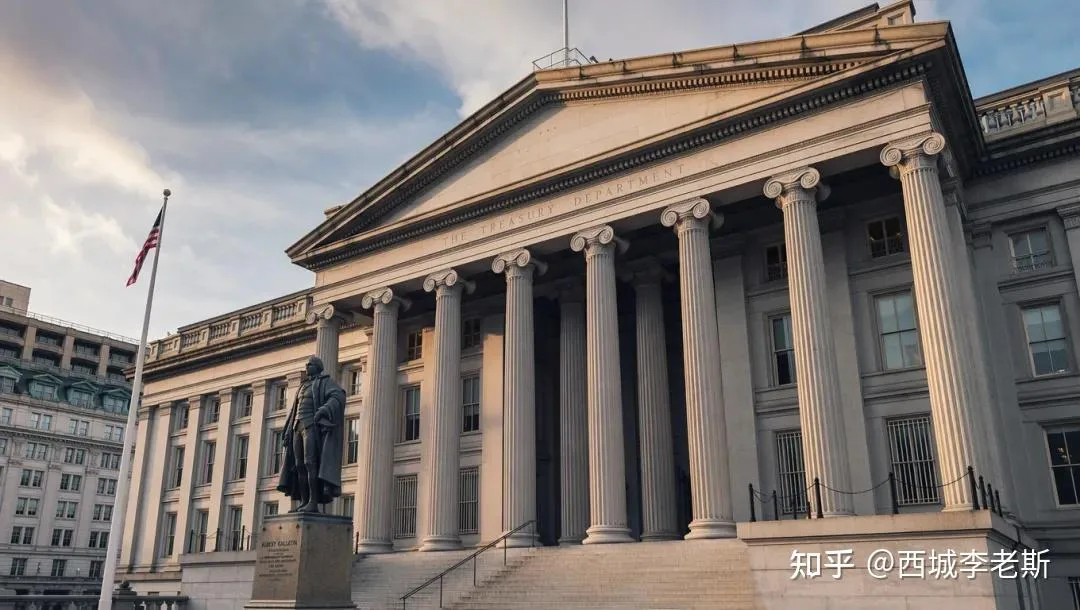
What Bessent has done proves one thing: the U.S. government is increasingly clear on the following problem:
Long-end yields being too high is bad for the U.S. itself.
If long rates stay high, mortgage rates can't come down; corporate borrowing gets more expensive; and the government's own interest expense keeps climbing.
Judging from policy posture, the U.S. position on long-end rates is already very clear.
Signal 2: After bad news, can yields still make new highs?
What I'm really waiting for is the second signal: after bad news hits, can the 10-year Treasury yield still make new highs?
For example: another oil-price spike, inflation data coming in hotter than expected, or U.S. fiscal deficits worsening again.
Under the old logic, those headlines should push the 10-year yield higher.
But if one bad headline after another comes out and the 10-year yield still can't break its prior high, I'll seriously consider one possibility:
The top of this long-rate cycle may actually be in.

The real top of a financial market usually isn't when all the news suddenly turns good. The real top is usually: the bad news keeps coming, but prices stop getting worse.